Explore Methods to Lessen Your Plastic Usage: A Comprehensive Guide
Plastic has revolutionized modern convenience, but its environmental impact is profound. The majority of plastics are non-biodegradable, persisting for centuries in our landfills and oceans. Fortunately, reducing your plastic usage is both feasible and impactful, helping preserve our planet for future generations. In this guide, you'll explore effective methods to reduce your plastic consumption, uncover innovative alternatives, and learn tips for making sustainable choices every day.
Why Is Reducing Plastic Usage Important?
Plastic pollution poses a severe threat to our environment, wildlife, and even human health. Plastic waste contaminates oceans, disrupts ecosystems, and sometimes even enters our food chain through microplastics.
- Environmental Impact: Plastics take hundreds of years to decompose, contributing to landfill overflow and marine pollution.
- Harm to Wildlife: Many animals ingest plastics or become entangled, often with fatal results.
- Human Health Risks: Chemicals leaching from plastics have been linked to health issues.
By exploring ways to lessen your plastic use, you directly contribute to a cleaner, safer world.
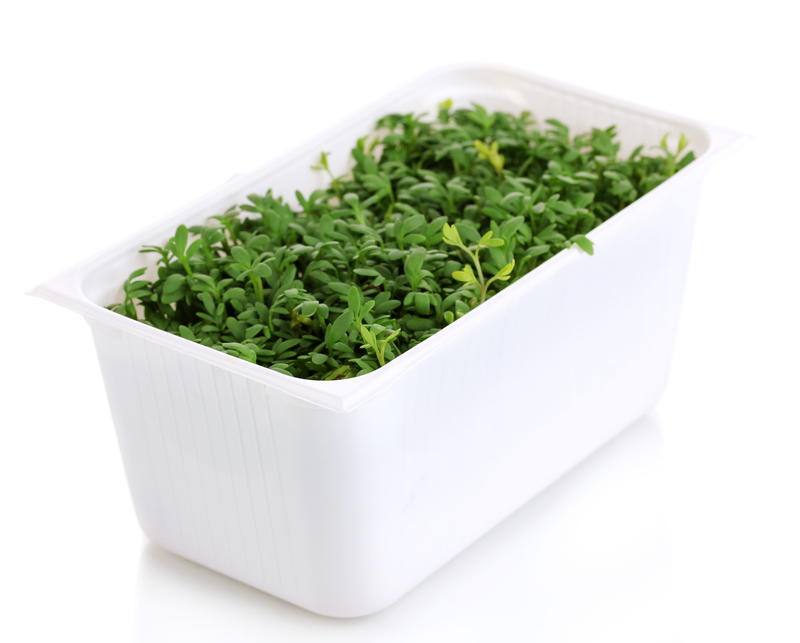
Simple Strategies to Lessen Your Plastic Usage at Home
Making small changes at home can drastically lower your plastic footprint. Try these actionable tips to get started:
1. Embrace Reusable Shopping Bags
- Reuse, Reuse, Reuse: Opt for sturdy fabric or jute bags instead of relying on single-use plastic or paper sacks.
- Keep reusable bags in your car, backpack, or by your front door so you never forget them.
- Fun Tip: Personalize your bags with patches or fabric paint for a creative touch!
2. Choose Alternatives to Plastic Bottles
- Invest in a stainless steel, glass, or BPA-free reusable water bottle.
- Use a home filtration system to avoid buying plastic bottled water.
- When on the go, look for water refill stations or fountains instead of buying drinks in plastic containers.
3. Adjust Food Storage Habits
- Switch to glass jars, stainless steel containers, or beeswax wraps for storing leftovers.
- Avoid plastic wrap by using silicone lids or cloth covers.
- Hot Tip: Freeze food in reusable silicone bags instead of plastic freezer bags.
4. Buy in Bulk and Avoid Single-Use Packaging
- Shop at stores that let you fill your containers. Bulk bins are great for grains, nuts, and spices.
- Choose products with minimal or compostable packaging whenever possible.
- Carry mesh produce bags for fruits and vegetables to avoid plastic alternatives.
5. Ditch Disposable Tableware
- Use ceramic, metal, or bamboo plates and utensils at home and for parties.
- Carry a cutlery set in your bag for takeout meals or picnics.
- Choose compostable or plant-based alternatives for events and gatherings.
Eco-Friendly Habits for Daily Life
Outside the home, there are also effective ways to reduce your plastic usage and raise sustainability awareness within your community.
6. Avoid Personal Care Products with Microplastics
- Many exfoliating cleansers and toothpastes contain microbeads - avoid these!
- Read labels for ingredients like polyethylene and polypropylene -- both are forms of plastic.
- Choose natural alternatives such as ground walnut shells, oats, or salt scrubs.
7. Switch to a Refillable Razor
- Single-use plastic razors are a common source of bathroom waste.
- Try a safety razor with replaceable blades for a more sustainable shave.
- Consider electric razors or trimmers as durable, long-term alternatives.
8. Choose Sustainable Toothbrushes
- Swap plastic toothbrushes for bamboo or biodegradable options.
- Look for dental floss packaged in glass or paper cartons rather than plastic cases.
9. Bring Your Own Reusable Cup
- Coffee shops often welcome customers with their own travel mug or cup.
- Some even offer discounts for bringing a reusable vessel!
- For ice cream and other treats, ask for servings in a cup or cone instead of plastic containers.
10. Avoid Fast Fashion and Microfiber Pollution
- Many clothes, especially cheap "fast fashion," are made from synthetic fibers which shed microplastics in every wash.
- Opt for natural fabrics like cotton, wool, linen, or hemp.
- Use a wash bag designed to catch microfibers if you have synthetic clothes.
Green Solutions for Shopping and Eating
11. Select Products with Minimal and Responsible Packaging
- Support brands using compostable, recyclable, or plastic-free packaging.
- Avoid individually-wrapped snacks and portion packs where possible.
- Try making your own snacks at home to cut waste and plastic use.
12. Buy Fresh and Local Produce
- Farmers markets are often a treasure trove of unpackaged fruits and vegetables.
- Join a community supported agriculture (CSA) program for a weekly box of produce without unnecessary plastic.
13. Reduce Takeout Plastic Waste
- Politely request no plastic cutlery, straws, or napkins when ordering food to-go.
- Bring your own containers for leftovers when dining out.
- Support restaurants and cafes that offer sustainable, plastic-free packaging.
Innovative Alternatives: Replacing Plastic in Your Routine
14. Embrace Biodegradable and Compostable Items
- Beeswax wraps, compostable garbage bags, and plant-based utensils are great alternatives to single-use plastics.
- Look for items made of bamboo, cornstarch, or other renewable resources.
15. Create DIY Household Products
- Homemade cleaners, deodorants, and scrubs can be stored in glass containers, eliminating the need for new plastic bottles.
- Use bar soap rather than liquid soap in pump bottles to reduce plastic waste.
16. Use Paper or Cloth for Cleaning
- Switch from synthetic sponges to cotton washcloths, cellulose sponges, or loofahs.
- Repurpose old t-shirts as rags, avoiding paper towels wrapped in plastic.
Involve Your Family and Friends in Reducing Plastic Usage
No one can reduce plastic use alone. Involving your loved ones makes lasting change easier and more enjoyable.
- Host a plastic-free dinner party to inspire others with delicious, zero-waste recipes.
- Share plastic-reducing tips and success stories on social media to encourage community involvement.
- Advocate for plastic reduction in your workplace or local organizations.
Lead By Example
- Children, friends, and neighbors are influenced by your habits -- lead the way with your commitment to less plastic.
- Gift sustainable items such as reusable water bottles, shopping bags, or eco-friendly starter kits.
How to Handle Essential Plastics and Properly Recycle
Completely eliminating plastic may not always be possible. For the plastics you can't avoid, responsible handling is crucial.
- Know your local recycling guidelines -- not all plastics are accepted.
- Rinse items before recycling to avoid contamination.
- Reuse containers for storage or creative projects before discarding.
- Return plastic bags and wrap to designated supermarket recycle bins; never place them in the curbside recycle bin.
Try Upcycling
- Transform plastic containers into planters, organizers, or crafts for kids.
- Participate in community recycling events or art projects promoting upcycling.
Support Broader Efforts to Reduce Plastic
On top of individual actions, collective efforts can make a bigger difference. Advocate for plastic reduction legislation, volunteer for local clean-up events, and support businesses committed to sustainable practices. Every bit helps the global movement toward a plastic-free future.
- Vote with your dollars by choosing businesses that prioritize environmentally friendly practices.
- Contact local representatives to express support for plastic bag bans or bottle recycling initiatives.
- Sign petitions and engage in campaigns that promote plastic reduction nationwide and globally.

Resources for Further Exploration
If you wish to deepen your knowledge on how to lessen your plastic usage, check out these organizations and resources:
- Plastic Pollution Coalition -- Education, advocacy, and community events.
- Earth Day Network: End Plastic Pollution -- Global campaigns to reduce plastic consumption.
- Ocean Conservancy -- Facts and ongoing initiatives about plastic in our oceans.
Conclusion: Every Action Matters
By exploring and applying these methods to reduce your plastic usage, you make a tangible, positive impact on our planet. Remember, no step is too small -- whether it's swapping out a water bottle, choosing compostable products, or encouraging friends to do the same. With each sustainable choice, you help shift society toward a healthier, cleaner, and more beautiful world.
Ready to begin? Choose just one method from this guide and start today. Every reduction counts in our shared journey to less plastic and a greener future.