Hackney House Clearance in Hackney

Hackney House Clearance provides a practical house clearance service in Hackney for homes that need furniture, contents, loose items, and general household waste removed with care. Whether the task is a full property clearance or a more selective room-by-room job, the aim is to leave the space ready for its next use and to handle the work in a straightforward, orderly way. Our service is suited to landlords, families, executors, and homeowners who need a dependable clearance arranged around the property itself rather than a fixed one-size-fits-all package.
We cover a wide mix of domestic clearance needs, from single bulky items through to complete clear-outs after a move, renovation, or end-of-tenancy change. House clearance is not only about taking items away; it is also about sorting what should stay, what can be removed, and what needs special handling. If you need a clear plan for a property in Hackney, pricing and quotes is a useful place to begin.
Our approach is intended to keep the process understandable. In many cases, the main decision is how much needs to be cleared and whether access, parking, or building layout affects the work. If you already know the type of property and the broad volume involved, you can request a quotation and we can look at the most suitable way to carry out the clearance. For a clearer idea of the service, it helps to think in terms of the rooms, items, and finish you want rather than the amount of time a job might take.
Complete and partial house clearance options
Some customers need an entire home cleared, while others only want selected areas emptied. A complete house clearance usually covers furniture, white goods, general contents, and mixed household items that are no longer required. A partial clearance can be more useful when a property still contains important belongings, because it allows the job to focus on a loft, spare room, basement, or furniture set without disturbing the rest of the house. This flexibility helps the service fit properties in different conditions, from lived-in homes to those being prepared for sale or rental.
For properties that need a broader domestic clear-out, our home clearance service can suit situations where several rooms contain items that need removing together. If the main challenge is a full property rather than just a single room, our house clearance page gives a direct description of that type of work. When a customer only needs one or two pieces taken away, such as wardrobes, sofas, or beds, furniture clearance is often the most relevant option.
When arranging a quotation, it helps to think about what should be removed, what should be left untouched, and whether there are any items that need extra care because of size or condition. A short written note, a simple list, or a few photographs can make that process easier. If you are comparing options, start by asking for the service that most closely matches the actual task rather than the broadest possible label. That keeps the discussion precise and usually makes the next step simpler.
Furniture, appliances, and bulky household items

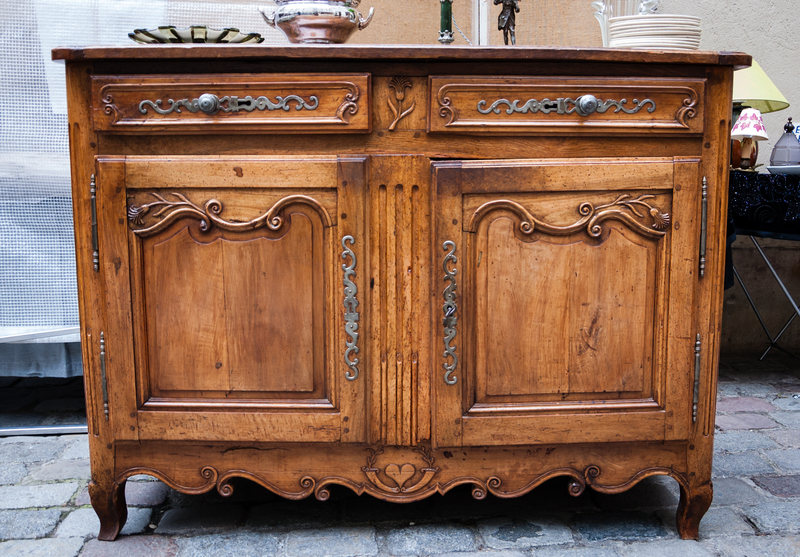
House clearances often include large items that are awkward to move through stairwells, narrow halls, or shared entrances. Sofas, wardrobes, chests of drawers, bed frames, tables, and white goods all need a sensible plan before they are removed. Our furniture-focused services are useful when the main concern is the safe lifting and removal of heavy domestic items, particularly where a property still contains smaller belongings that are not part of the job. Careful planning matters because bulky pieces can affect access and the order in which rooms are cleared.
For customers who mainly need a few large items removed, the furniture disposal page is a practical match. If the job involves a whole room’s worth of redundant pieces, furniture clearance offers a broader solution. In some homes, the furniture is mixed with general waste and broken household items, so a more general waste removal service may be the better fit. The key is to match the service to the actual contents, not just the name of the room.
It can also help to separate items that are staying from items that are going, especially where furniture is still usable or may need to be set aside for someone else. If access is tight, clearing the largest pieces first can make the rest of the work easier. In properties with stairs, shared landings, or limited parking, a sensible sequence matters more than speed. Good preparation is mainly about clarity: knowing what is being removed, what needs to remain, and whether any items require dismantling before collection.
Lofts, garages, and outbuildings

Many domestic clearance jobs involve storage areas that have gathered mixed items over several years. Lofts, garages, sheds, and small outbuildings often contain broken furniture, boxes, old tools, seasonal decorations, and miscellaneous household belongings that no longer have a clear place in the home. These areas can take longer to sort through than a living room or bedroom because the contents are less obvious and may be stacked in layers. A good clearance service looks at access, safety, and the order in which the space should be emptied.
Where the main task is a storage area rather than the whole property, our loft clearance and garage clearance pages may be the best starting points. Garden structures and exterior storage can also be handled through the garden clearance service if the material is outside the main house. For jobs that mix household items with general rubbish or tired belongings from several spaces, the broader waste removal option may be more appropriate than a narrowly defined room service.
These areas often benefit from a careful first look because the contents can be uneven and some items may be awkward or fragile. If there are old boxes, garden tools, or seasonal storage items, it is usually worth deciding what should be kept before the clearance begins. A little sorting at the start can prevent confusion later and helps the work proceed in a tidy, orderly way. When you request a quotation, mention whether the space is loft level, ground level, attached, or detached, as those details can affect how the job is organised.
Clearance for landlords, sellers, and property changes
Some house clearance work is tied to a change in ownership, tenancy, or occupancy rather than to ordinary decluttering. A property may need to be emptied after tenants move out, before sale photography, or during probate administration when relatives need help with belongings left behind. In those situations, the most useful service is one that can clear the remaining contents without turning the job into an unnecessary overhaul. The objective is often to prepare the property for its next stage in a way that is practical and respectful.
For these changes, our flat clearance page can be relevant where the home is a flat or apartment rather than a house. The home clearance service may suit mixed domestic settings, while house clearance is a direct fit for whole-house work. If you are dealing with office or business premises as part of an estate or relocation, the office clearance page describes that different type of work. Matching the right page to the right property type keeps the job description accurate.
When arranging this kind of clearance, it is sensible to identify anything that must be set aside before removal begins, especially documents, valuables, personal records, or items that are not part of the clearance. A straightforward inventory, even if informal, can reduce uncertainty. If several rooms are involved, a room-by-room note is often enough to clarify the scope. The best quotation requests are not lengthy; they are precise. That makes it easier to understand what is included and what remains outside the job.
What affects the scope of a house clearance

House clearance work is shaped by a few practical factors rather than by a fixed formula. The amount of furniture, the number of rooms, whether items need dismantling, and the ease of access all influence how the task is planned. A first-floor flat with narrow stairs may need a different approach from a ground-floor property with direct access. Mixed contents can also change the way the work is organised, especially if the property includes both bulky items and loose household clutter.
The quotation is usually clearer when the main details are accurate from the start. It helps to say whether the property is furnished or partly empty, whether there are items in lofts or garages, and whether there are special access considerations such as stair-only entry, shared hallways, or restricted parking. If the job also includes outdoor areas, our builders waste clearance page may be relevant for heavier leftover material from renovation work, while business waste removal is more suitable for commercial premises. Different property types need different descriptions.
Here are the points that usually matter most when planning a quotation:
- how many rooms or areas are involved
- which large items need removing
- whether access is straightforward or restricted
- if any items require careful handling or separation
- whether the property is partly cleared already
House clearance and recycling considerations
A sensible house clearance service should deal with belongings in a way that reflects their condition and type. Some items may be suitable for reuse, while others are only fit for disposal. The practical job is to separate those categories where possible and to remove the contents from the property in an orderly way. This is particularly relevant when a home includes a mixture of furniture, textiles, electrical items, packaging, and ordinary household waste. A clearer sort at the outset can make the end result more manageable.
If your main concern is how different materials are handled, the recycling and sustainability page may be useful background. For customers who want a broader domestic service that still includes mixed contents, waste removal can be the right fit, while the more specific home clearance service suits a property-wide domestic job. Not every item belongs in the same category, so describing the contents accurately is more helpful than trying to summarise everything as general rubbish.
Sorting matters because it helps the clearance move at a sensible pace and keeps the property easier to hand over once the work is finished. In practice, the most helpful preparation is to identify any items that must remain in place and any that need separate treatment. If there are fragile possessions, personal papers, or items with sentimental value, flag those clearly before the clearance begins. That way the work can focus on the objects that are actually meant to leave the property.
About Hackney
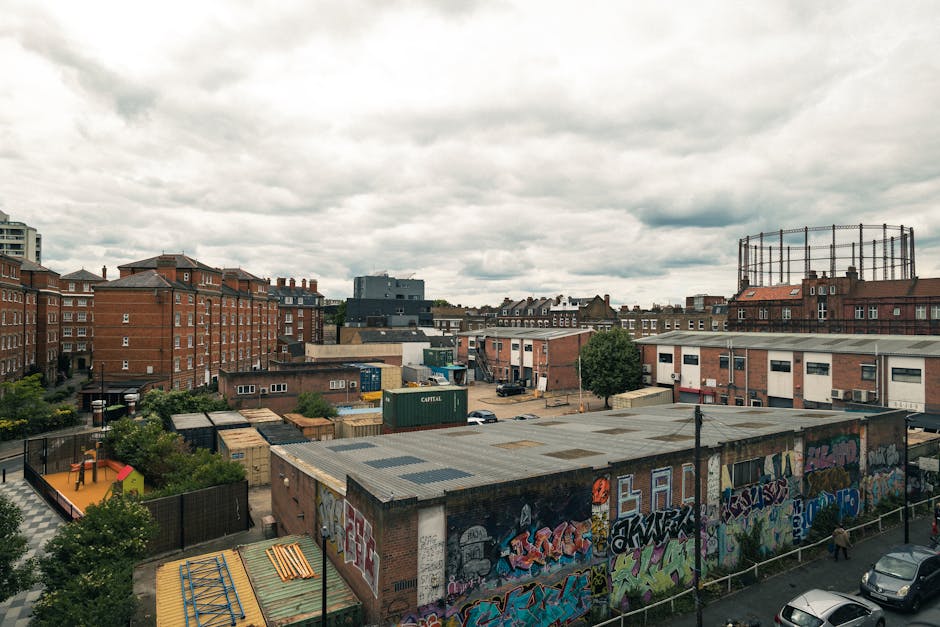
Hackney is a large East London district with a character shaped by layers of settlement, industry, migration, and redevelopment. Its name is now used for the London Borough of Hackney, but the historic parish and the modern borough are not identical in extent, and the area’s identity is often understood through a cluster of neighbourhoods rather than a single centre. Hackney Central sits around Mare Street and the town hall, while Dalston, Stoke Newington, Clapton, and Homerton each contribute their own streetscape and local feel. The district includes a dense mix of Victorian terraces, post-war housing, newer apartment schemes, and older surviving buildings that reflect different phases of growth.
Several well-known green spaces help define the borough. London Fields, Victoria Park, and Hackney Marshes are among the most recognised open areas, with the marshes especially noted for their wide playing fields and riverside setting. The River Lea forms part of the eastern boundary, and the area also contains canals, bridges, and towpaths associated with the wider Lea Valley. Cultural life has long been a visible part of Hackney’s identity, with markets, music venues, independent shops, galleries, and community spaces contributing to a busy street culture. The borough’s architecture is equally varied, from Georgian terraces and late nineteenth-century civic buildings to regenerated industrial sites and contemporary developments. That contrast between old and new is one of the features that gives Hackney its distinct urban character.
Room-by-room clearances and domestic sorting

Not every house clearance needs to begin with the whole property. Sometimes the most sensible approach is to clear one room at a time, especially where a family is still living in the home or where some belongings will stay in use. Bedrooms, living rooms, kitchens, and studies each create slightly different sorts of work because the contents are different. A kitchen may involve appliances and smaller domestic items, while a bedroom often contains wardrobes, beds, textiles, and personal storage. Room-by-room planning helps keep the process controlled.
For a partial clearance, the usefulness of each item matters as much as the quantity. Some homes contain objects that are straightforward to identify, but others have mixed cupboards, boxed storage, and furniture that needs review before removal. If you are unsure where to start, a general house clearance enquiry can describe the property overall, then the job can be narrowed once the main rooms are understood. For smaller domestic tasks involving only a few pieces, furniture clearance may be the better match. The right route depends on the scope of the work, not on how quickly it can be labelled.
When people prepare for this kind of job, they often find it useful to set aside anything that is staying with the property before the clearance begins. That can be done with notes, labels, or a simple walkthrough of the rooms. If the clearance involves children’s rooms, loft storage, or a study, keep in mind that the aim is not to sort every possession in detail, but to make the removal clear enough to be carried out efficiently. A measured start usually leads to a tidier finish.
Quoted work, access, and practical next steps
A quotation for house clearance is usually more accurate when it reflects the real conditions on site. Access routes, floor level, item size, and the overall amount of material all affect how the work is arranged. If the property includes a loft, a garage, or a basement, those areas should be mentioned because they often change the time and handling needed. Where a job is part of a larger property project, the clearance should be described alongside any other relevant work so the scope is not split into confusing pieces.
If the job includes mixed waste or leftover material from maintenance work, you may also want to look at builders waste clearance or the more general business waste removal service when the premises are not domestic. For customers ready to move forward, the most direct next step is to request a quotation and state what needs clearing, what should stay, and any access details that might matter on the day. If you prefer to start with service information, the about us page gives a broader picture of the company’s approach.
Request a quotation when you are ready, and use a short description of the property to make the process straightforward. You can also compare the relevant service pages first if you are deciding between a full house clearance, a furniture-only removal, or a more general waste removal job. The clearer the brief, the easier it is to match the work to the right service. If you need the property cleared in Hackney, start the conversation with the rooms and items involved and build from there.