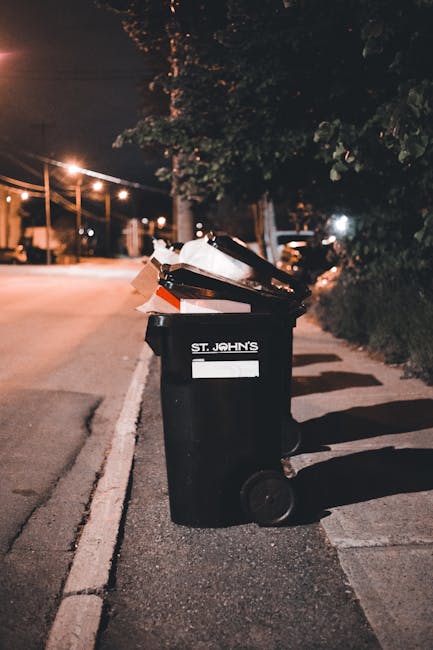
Dalston street rubbish pickup guide E8 local options
If you live or work in Dalston, you already know rubbish can go from manageable to messy very quickly. One week it's a bag of packaging and an old chair. The next, it's a hallway full of box debris, a broken shelf, and a mystery smell coming from somewhere near the bins. This Dalston street rubbish pickup guide E8 local options is here to make that whole process less confusing, less stressful, and a lot more practical.
We'll look at how street rubbish pickup usually works in E8, when local collection options make sense, what to do if your waste is bulky or awkward, and how to avoid the easy mistakes that lead to delays, complaints, or fly-tipping trouble. If you want the short version: the right option depends on what you need removed, how fast it needs to happen, and how much handling you want to do yourself. Simple enough, but the details matter.
For readers comparing clearance choices across the borough, it can also help to understand the wider service range first. A useful starting point is the main waste removal page, especially if you are deciding between a one-off collection and a broader clearance job.
Table of Contents
- Why Dalston street rubbish pickup guide E8 local options Matters
- How Dalston street rubbish pickup guide E8 local options Works
- Key Benefits and Practical Advantages
- Who This Is For and When It Makes Sense
- Step-by-Step Guidance
- Expert Tips for Better Results
- Common Mistakes to Avoid
- Tools, Resources and Recommendations
- Law, Compliance, Standards, or Best Practice
- Options, Methods, or Comparison Table
- Case Study or Real-World Example
- Practical Checklist
- Conclusion
- Frequently Asked Questions
Why Dalston street rubbish pickup guide E8 local options Matters
Dalston is busy, compact, and very much a place where waste becomes visible quickly. A single abandoned mattress, a pile of renovation offcuts, or several uncollected black bags on a pavement can spoil the look of a whole street. It also creates practical problems: blocked access, smells, pests, complaints from neighbours, and that awkward feeling of walking past the same pile every day and hoping someone else sorts it out.
This matters for households, landlords, flat sharers, shopkeepers, landlords with turnover, and anyone managing a move or refurbishment. In E8, you often need a plan that works around limited parking, stair access, shared entrances, and tight time windows. A lot of people only realise this when they're standing on the pavement with a sofa they can't shift alone. Not ideal.
There's also a difference between routine household rubbish and items that need special handling. Some waste can be bagged neatly and moved out with minimal fuss. Other waste needs lifting, sorting, loading, and disposal through a service that understands local street conditions. If you get that wrong, you can end up wasting a whole afternoon. Or worse, leaving the stuff where it should never have been left in the first place.
Practical takeaway: the best rubbish pickup option in Dalston is usually the one that fits your waste type, access conditions, and timing - not just the cheapest or fastest on paper.
How Dalston street rubbish pickup guide E8 local options Works
At street level, rubbish pickup in Dalston typically falls into a few broad categories. You may be dealing with regular bin collection, a bulk collection, a private clearance visit, or a combination of these depending on what has built up and where it sits. The key thing is to match the waste to the right method.
For example, a few bags of general rubbish from a small flat clear-out might be handled differently from a broken wardrobe, old carpet, or builder's rubble. Street access also changes the job. If a vehicle can stop nearby and items can be brought down safely, things are much easier. If the waste is up three flights of stairs in a narrow period conversion, the job naturally becomes more involved.
Local options usually work in one of these ways:
- Scheduled removal: useful for predictable waste volumes or repeat needs.
- One-off clearance: best for sudden build-ups, moving house, or end-of-tenancy clean-outs.
- Bulky item pickup: suited to sofas, beds, wardrobes, white goods, and similar items.
- Mixed waste clearance: helpful when there are bags, broken items, and light construction debris together.
- Specialist disposal: needed for items that should not go in ordinary mixed waste, such as certain electricals or potentially hazardous materials.
That last point catches people out more often than you'd think. A pile that looks simple from the pavement may actually contain a mix of materials that need separating. A bed frame with fabric, wood, and springs is not the same as a few cardboard boxes. Waste is never quite as tidy as people hope. Life, eh?
Key Benefits and Practical Advantages
Using the right Dalston rubbish pickup option can save time, but the real benefit is usually convenience. That might sound obvious, but convenience in a dense area like E8 is worth a lot. Fewer trips. Less lifting. Less arguing over whose turn it is to get the sofa downstairs. And less risk of leaving something outside because you ran out of energy halfway through.
Here are the main advantages people usually care about:
- Speed: useful when you need space back quickly, such as before a tenancy handover or renovation start date.
- Reduced manual handling: especially important if items are heavy, awkward, or upstairs.
- Cleaner street presentation: important for homes, shops, and shared buildings where waste is visible to everyone.
- Better sorting and disposal: helpful if you want recyclable material separated sensibly rather than thrown together.
- Less neighbour friction: nobody wants bags sitting out for days in a busy residential street.
There's also a peace-of-mind angle. A well-run pickup means you can get on with your day instead of circling back and thinking, "I'll deal with it tomorrow." We've all done that. Tomorrow often becomes next week.
For larger jobs, it can also be useful to compare rubbish pickup with fuller clear-out support, especially if the waste is spread through a flat, loft, garage, or office. The right service often depends on whether you need just removal or a complete space reset.
Who This Is For and When It Makes Sense
Dalston street rubbish pickup is not only for big clear-outs. In fact, many requests are fairly ordinary once you strip away the panic: broken furniture, bagged waste after a move, packaging from a delivery, garden waste after a tidy-up, or old household items finally getting in the way.
This guide is especially useful for:
- Tenants leaving a flat and needing to clear the last awkward items.
- Landlords and letting agents dealing with turnover between occupants.
- Homeowners who are decluttering or refreshing a room.
- Flat sharers where rubbish builds up in shared bins faster than anyone admits.
- Local businesses with packaging, office waste, or unwanted furniture.
- People handling renovation or DIY waste that will not fit in ordinary bins.
It makes sense when the waste is too much for normal household disposal, too bulky to move easily, or too urgent to leave sitting around. It also makes sense when you want the removal done in one visit rather than stretching the job over multiple trips and a fair bit of back pain.
Truth be told, if the item is large enough that you're already planning how to angle it through the doorway, you're probably in the right territory for a specialist pickup or clearance service.
Step-by-Step Guidance
If you're deciding on local rubbish pickup in E8, a simple process keeps things tidy and reduces surprises. Here's the practical route.
- List what needs removing. Write down the item types, approximate volume, and whether anything is heavy, sharp, wet, or broken.
- Separate what can be kept, reused, or recycled. Even a quick sort can lower hassle later and makes the job cleaner.
- Check access. Think about stairs, lift access, parking, permits, narrow hallways, and whether items need carrying through a shared entrance.
- Decide how urgent it is. Same-day or next-day pickup can matter for move-outs, landlord inspections, or builders waiting to start.
- Compare local options. A household can sometimes manage small amounts independently, but larger or heavier items are usually better handled by a professional clearance team.
- Ask how disposal is handled. You want a service that knows how to manage mixed waste responsibly, not one that just loads everything and hopes for the best.
- Confirm pricing details. Ask whether the quote is based on volume, item type, access difficulty, labour time, or a combination of factors.
- Prepare the waste safely. Move smaller items into accessible spots if you can do so without injury or blocking exits.
- Be ready at collection time. Delays often come from simple things: locked doors, no one available to confirm access, or not enough information about what's being taken away.
A small but useful habit: take a quick photo before the job starts. It helps with quoting and avoids the "oh, there was actually another pile round the back" problem. Happens more than you'd think.
Expert Tips for Better Results
In our experience, the smoother pickup jobs are the ones where the client thinks ahead just a little. Not obsessively. Just enough to avoid the classic snags.
- Group items by type. Keep furniture, bagged waste, and loose materials separate if possible. It makes loading faster.
- Leave a clear route. Even a narrow path through a hallway or stairwell can save a lot of time.
- Watch for hidden extras. A drawer unit may contain old papers, batteries, or mixed household bits that change how it should be handled.
- Be realistic about volume. Most people underestimate how much space flattened packaging or broken furniture actually takes up.
- Use one point of contact. If several people live in the property, make sure one person is responsible for confirming what goes and what stays.
- Think about timing. Early collections can help avoid disruption in shared buildings and busy streets.
One simple rule: the easier you make access, the more efficient the pickup tends to be. That does not mean doing all the heavy lifting yourself. It just means not making the team weave around seven bags, a bike, a shoe rack, and a laundry basket on the way out. A little courtesy goes a long way.
If you're also trying to clear a whole room rather than a single pile, a more structured service such as house clearance or flat clearance may be a better fit than a basic pickup.
Common Mistakes to Avoid
Most rubbish pickup problems in Dalston are preventable. The trouble is, they tend to happen when people are rushed, tired, or halfway through a move and just want the mess gone.
- Leaving waste outside too early. That can cause obstruction, mess, or complaints, especially on shared streets.
- Mixing everything together without thinking. Some items need separate handling, and a mixed pile can complicate disposal.
- Underestimating access issues. A job that looks simple from the pavement may be awkward once you factor in stairs or parking.
- Choosing on price alone. Cheapest is not always best if it means slow service, poor communication, or avoidable delays.
- Forgetting hazardous or special items. Batteries, certain electronics, sharp objects, and similar waste deserve extra care.
- Blocking fire exits or communal areas. This is one of those mistakes that can become both a safety issue and a neighbour issue very quickly.
Another common slip is assuming every service handles every type of waste the same way. They don't. The right option depends on the nature of the rubbish, and sometimes the "simple" job is the one that needs the most planning.
Tools, Resources and Recommendations
You do not need a van full of kit to arrange rubbish pickup, but a few practical tools help.
- Measuring tape: handy for checking whether items will fit through doors or down stairwells.
- Phone camera: useful for photographing waste piles before requesting a quote.
- Heavy-duty bags or boxes: good for smaller items, loose debris, and packaging.
- Gloves: especially if you are sorting dusty, sharp, or grimy material.
- Notebook or phone notes: useful for listing item types, quantities, and any access limits.
For readers comparing disposal-related services, a few related pages may help you understand the broader choices available. If the mess is garage-based, you may want to look at garage clearance. For lofts or tucked-away storage spaces, loft clearance can be more relevant. If it is mainly outside waste or green material, garden clearance may be the better match.
It is also sensible to check how a provider approaches recycling, sorting, and responsible disposal. If that matters to you - and it probably should - the recycling and sustainability information is worth reading before you book.
Law, Compliance, Standards, or Best Practice
Waste removal in London is not just about convenience. There are also legal and practical standards that affect how waste should be handled. You do not need to become a compliance expert to clear a flat, thankfully, but you do need to avoid obvious risks like fly-tipping, blocking public access, or leaving waste where it can be mistaken for abandoned rubbish.
Good practice usually means:
- keeping waste on private property until it is ready for collection, where possible;
- ensuring items are passed to a service that can handle them properly;
- sorting special items carefully;
- avoiding unlicensed disposal routes;
- keeping shared entrances and pavements clear;
- using suitable handling methods for heavy or sharp objects.
If you are dealing with business waste, the expectations are often stricter because the waste must be managed consistently and responsibly. In that case, a dedicated business waste removal service may be more appropriate than a general household pickup.
For properties with trades work, old fixtures, or renovation leftovers, a builders waste clearance option is often a better fit. The point is simple: match the disposal method to the waste stream. That is the safer and cleaner path, and it saves everyone a headache later.
Options, Methods, or Comparison Table
Choosing between local pickup options in Dalston becomes easier when you compare them side by side. Not all waste needs the same solution.
| Option | Best for | Strengths | Limitations |
|---|---|---|---|
| Self-managed household disposal | Very small amounts | Low cost, simple for light items | Time-consuming, hard for bulky waste, limited by vehicle access |
| Scheduled local pickup | Predictable recurring waste | Convenient, regular, easy to plan around | Less flexible for urgent or unusual items |
| One-off waste clearance | Mixed or bulky rubbish | Fast, practical, handles awkward jobs | Usually more expensive than doing it yourself |
| Specialist item removal | Furniture, white goods, specific materials | Safer and more efficient for awkward pieces | May need extra detail when booking |
| Full property clearance | Moves, voids, refurbishments | Most complete option, reduces stress | More involved than a basic pickup |
If you are unsure, ask yourself one question: do you need a quick lift-and-load, or do you need the whole space cleared? That answer usually points you in the right direction. Not always, but usually.
Case Study or Real-World Example
A fairly typical Dalston scenario goes like this. A tenant is leaving a first-floor flat near a busy street. There is a broken bed frame, a few bags of general rubbish, some flat-pack packaging, and a small table that will not fit in the car. The building has a narrow staircase and limited curb space, so leaving everything outside early is not a great idea.
Instead of trying to shift everything in stages over a weekend, the tenant sorts the waste into three groups: furniture, bagged rubbish, and recycling. Photos are taken. Access details are noted. A pickup is arranged for a time when the street is calmer and the stairwell is clear. The result is simple: less lifting, less disruption, and no pile sitting outside overnight.
Now, could the job have been done another way? Sure. But the smarter route was the one that saved time and reduced the chance of something going wrong. And in a busy E8 street, that matters. One missed collection window can turn into a small saga, and nobody wants that.
Practical Checklist
Use this checklist before arranging a rubbish pickup in Dalston:
- Identify exactly what needs removing.
- Separate general waste from furniture, recyclables, and any special items.
- Check whether anything is too large, heavy, or awkward to move safely.
- Measure access points if the item might be tight through doors or stairs.
- Confirm whether parking or loading access may affect the collection.
- Take photos if the job includes more than a few simple bags.
- Decide whether you need same-day, next-day, or planned collection.
- Keep communal areas clear until collection time.
- Ask how the waste will be sorted and disposed of.
- Keep your collection contact details and instructions in one place.
Quick reminder: the best prep is calm prep. No drama required.
Conclusion
Dalston street rubbish pickup in E8 works best when you treat it as a practical planning job rather than a last-minute scramble. The right local option depends on access, waste type, urgency, and how much lifting you want to do yourself. For small amounts, simple disposal may be enough. For bulky, mixed, or time-sensitive waste, a professional pickup or fuller clearance service is usually the cleaner, safer route.
What people often want, really, is not just "removal" but relief. Clear the space, clear the walkway, clear the mental noise. That is the real value. And once the clutter is gone, the street looks calmer too. Funny how that works.
Get a free quote today and see how much you can save.
If you are comparing options for a home, flat, office, or mixed rubbish pile, it helps to start with a provider that understands local access issues and disposal responsibilities. You can also review the company background on the about us page before making a decision.
Frequently Asked Questions
What counts as street rubbish pickup in Dalston E8?
It usually means collecting waste from a home, flat, shop, or roadside access point and taking it away for proper disposal. That can include bags, furniture, mixed household items, garden waste, or builder-style debris depending on the service.
Can I leave rubbish on the pavement before collection?
Usually, no, not unless you have a clear arrangement and the items are ready for immediate pickup. Leaving waste out early can cause obstruction, attract complaints, and increase the chance of mess or fly-tipping issues.
Is a local rubbish pickup better than hiring a skip?
It depends on the job. Pickup is often better for limited access, bulky items, or when you do not want waste sitting outside for days. A skip can suit larger projects, but it needs space and planning.
What types of waste are hardest to remove from Dalston streets?
Large furniture, heavy items, awkward stairwell loads, mixed waste, and materials that need sorting are usually the most troublesome. A pile that looks small can still be a pain if it includes bulky or breakable pieces.
How do I know if I need a full clearance rather than a simple pickup?
If the waste is spread across several rooms, includes a lot of furniture, or follows a move-out or renovation, a full clearance is often more efficient. A simple pickup works better when the items are fewer and easier to access.
Do local waste removal services handle recycling?
Many do, but the approach varies. It is sensible to ask how items are sorted and whether recyclable material is separated where possible. Responsible disposal should be part of the service, not an afterthought.
What should I do with old furniture before pickup?
Clear drawers, remove loose contents, and make sure any personal items are taken out. If the piece is large, check whether it can be moved safely and whether it needs to be broken down first.
Can businesses use Dalston rubbish pickup services too?
Yes, but business waste often needs a service that understands commercial disposal needs. Offices, shops, and workspaces usually benefit from a more structured removal plan than a household one-off.
How soon can rubbish usually be collected?
That depends on availability, waste type, and access. Some jobs can be arranged quickly, while others need more notice. If timing matters, mention it clearly when you enquire.
What if my rubbish includes electronics or mixed materials?
Say so upfront. Electronics, batteries, and mixed materials can need different handling from general rubbish. It is better to flag them early than to sort it out at the last minute.
How can I avoid mistakes when booking a local collection?
Be accurate about what needs removing, share clear access details, and ask how the waste will be handled. That little bit of preparation saves a lot of back-and-forth later.
Where can I find more general guidance on waste handling?
For broader reading, the site's blog covers a range of practical waste and clearance topics, from household sorting to larger removal issues. It is a useful place to get your bearings before booking.